Naujienos

Mould Maintenance Guide: Sharpening and Demagnetizing Curbstone Mould Edges

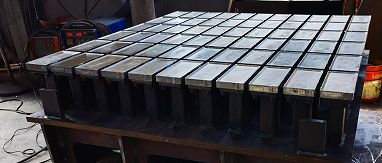
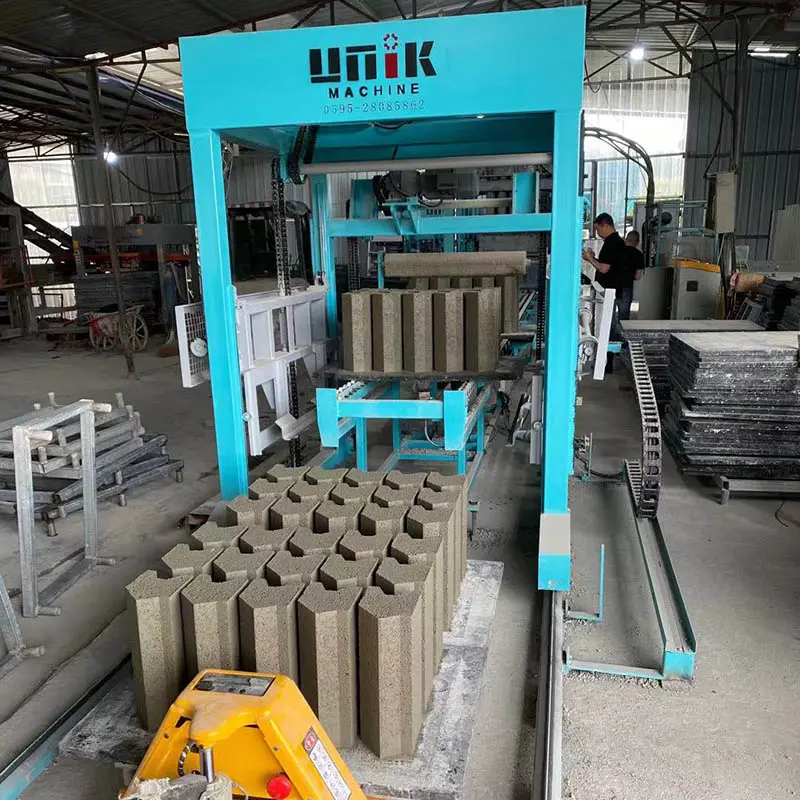
For concrete product manufacturers, curbstone moulds are the core assets of production. The condition of the mould edges directly determines the final product quality and production efficiency. In daily maintenance, two seemingly technical yet critical procedures are often overlooked: edge sharpening and demagnetization. Improper handling of these can become potential causes of product defects and production interruptions.

Why Are Edge Sharpening and Demagnetization Critical?

During prolonged use, the edges of curbstone moulds gradually become dull due to continuous friction with highly abrasive concrete mixtures (containing sand, gravel, and aggregates). Dull edges increase forming resistance, leading to defects such as burrs, chipping, and missing corners on the produced concrete products, significantly affecting product quality. Regular sharpening of the mould edges is therefore an essential measure to restore their performance.

However, the sharpening process itself introduces a critical "side effect" — magnetism. The friction between the grinding wheel and the mould steel generates heat and creates a magnetic field, leaving residual magnetism on the sharpened edge surface. This seemingly minor magnetism can cause significant problems in production: magnetized edges attract fine iron particles or dry mix from the concrete slurry like a magnet, leading to poor material flow or even clogging, forcing frequent production interruptions for cleaning.

The Correct Procedure: "Sharpen First, Then Demagnetize"

Based on the industry experience of Fujian UNIK Mould Technology Co., Ltd., maintenance should adhere to the core principle of "Demagnetize After Every Sharpening" — that is, demagnetization must be performed immediately after each sharpening session.

1. Edge Sharpening Guidelines

The goal of sharpening is sharpness, not excessive material removal. Operators should note the following:

Timing Judgment: Sharpening is required when product edge quality deteriorates or forming resistance noticeably increases.

Precision Control: Sharpening should be performed by qualified personnel using suitable grinding machines and wheels. The feed rate per pass should be minimal to prevent localized softening of the cutting edge due to overheating, which would shorten mould life. According to industry technical data, the single-pass grinding depth should not exceed 0.013mm, and adequate coolant must be applied.

Know When to Stop: Mould edges have a limited grinding allowance. Once the wear limit is reached, the mould must be scrapped. Excessive grinding will directly lead to mould failure.

2. Critical Step: Thorough Demagnetization

This is an absolutely essential and indispensable step after sharpening. Immediately after sharpening and thorough cleaning, a professional demagnetizer must be used to completely demagnetize the cutting edge area. The goal is to ensure the edge surface is fully demagnetized — its importance is on par with the sharpening itself.

Building a Comprehensive Mould Maintenance System

Edge maintenance is just one part of mould management. A sound maintenance system should also include (based on the UNIK maintenance framework):

Maintenance Item

Key Operations & Frequency

Primary Objective

Daily Cleaning

Clean immediately after each shift with low-pressure water and soft brushes; metal tools are prohibited.

Prevent hardened concrete residue, avoid abrasion, and prevent sticking.

Proper Release Agent Application

Apply professional release agent evenly before each cycle; avoid using inferior oils.

Reduce friction, ensure smooth demolding, and protect the mould surface.

Inspection & Tightening

Regularly (e.g., every 500-1000 cycles) inspect and tighten all bolts; check for cracks and wear.

Prevent deformation and loosening caused by vibration; maintain equipment precision.

Component Replacement

When replacing springs, verify that color, outer diameter, and length are identical to the original.

Restore elastic function; prevent malfunctions due to spring fatigue.

Professional Storage

Store moulds in a dry, covered environment.

Prevent rust and corrosion caused by moisture.

Maintenance Record Keeping

Establish a detailed log for each mould set, recording dates and details of every sharpening, demagnetization, and component replacement.

Track mould life, predict spare parts needs, and avoid sudden production stoppages.

Conclusion

"Demagnetize After Every Sharpening" is the core rule for curbstone mould maintenance. Correctly performing edge sharpening and demagnetization, and integrating these into a comprehensive upkeep system encompassing daily cleaning, regular inspections, and standardized storage, is key to extending mould service life and ensuring efficient, stable production line operation. Professional maintenance not only reduces scrap rates and downtime but also safeguards long-term production profitability.

Reference information is based on publicly available technical guidelines and industry best practices from Fujian UNIK Mould Technology Co., Ltd.

Susijusios naujienos
Palikite man žinutę
X
Naudojame slapukus siekdami pasiūlyti geresnę naršymo patirtį, analizuoti svetainės srautą ir suasmeninti turinį. Naudodamiesi šia svetaine sutinkate su mūsų slapukų naudojimu.Privatumo politika
AtmestiPriimti